7 Strengths of Stone
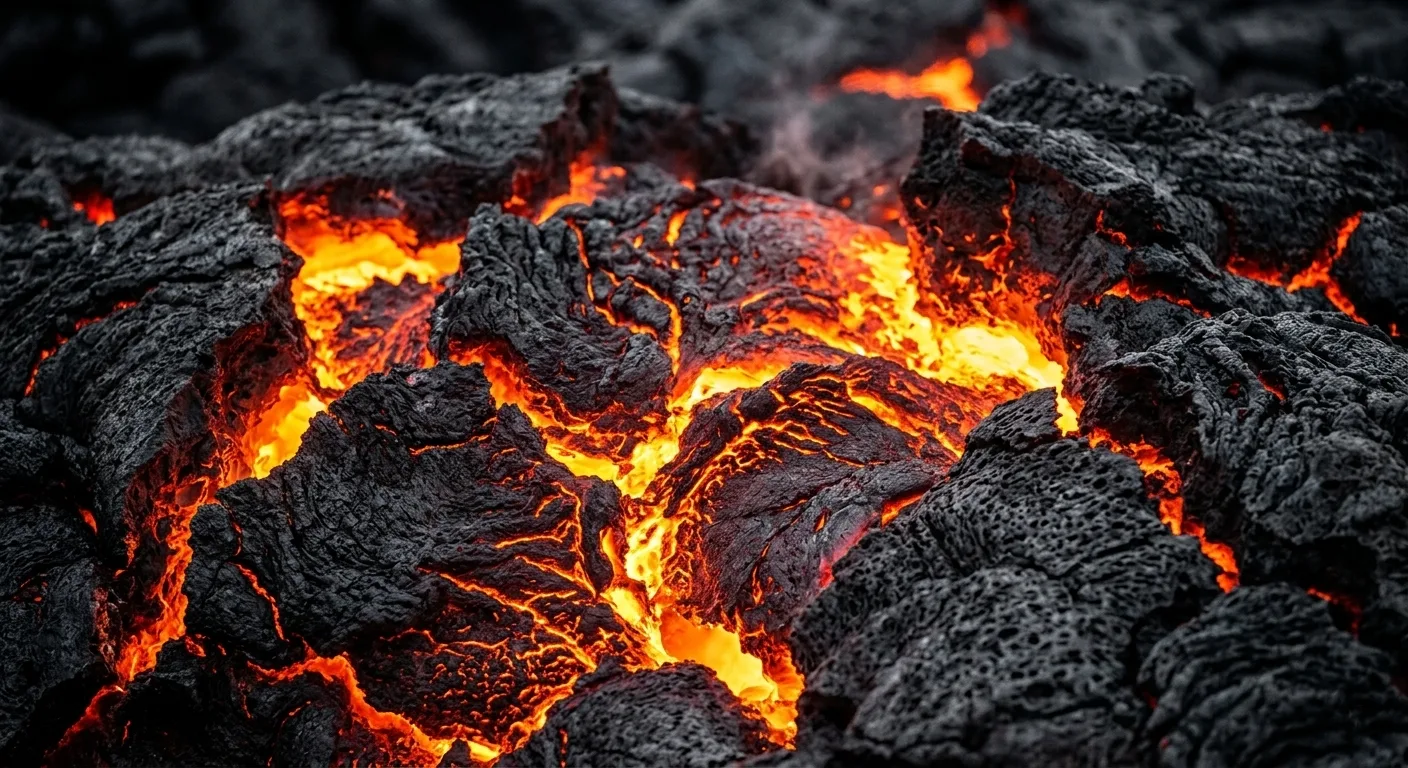
Japan’s lightweight Basaltwool technology made from natural volcanic rock for superior performance and sustainability. Naturally non-combustible and moisture-resistant, it enhances building safety while maintaining stable performance for up to 50 years.
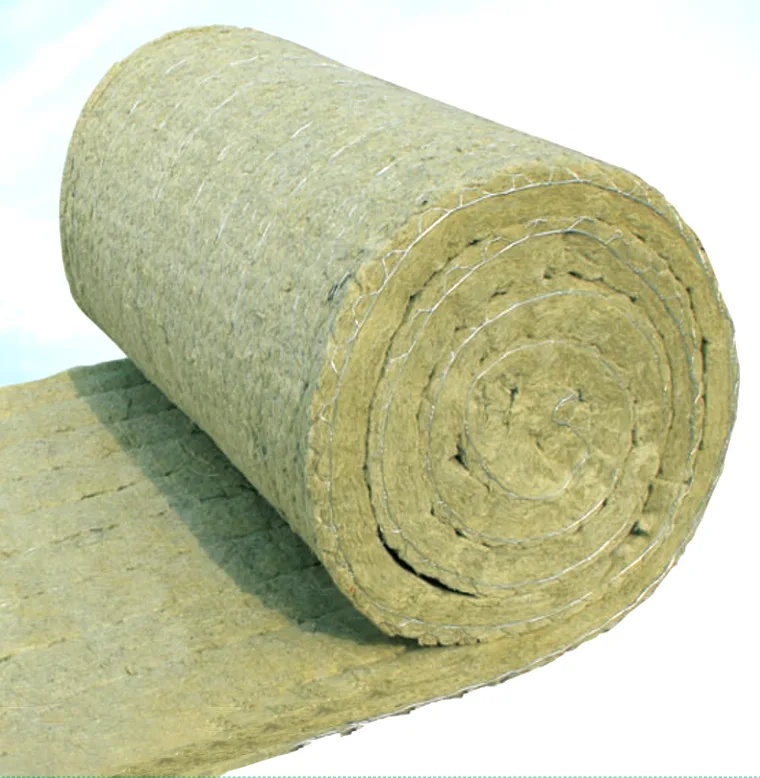
Lightweight thermal and acoustic insulation from natural volcanic rock. Non-combustible to 1000°C+, moisture-resistant, 50-year stable performance.
See More
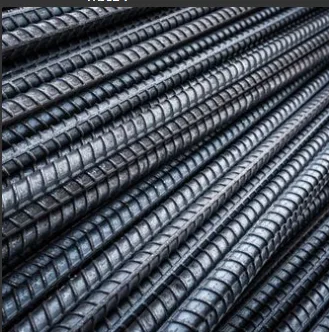
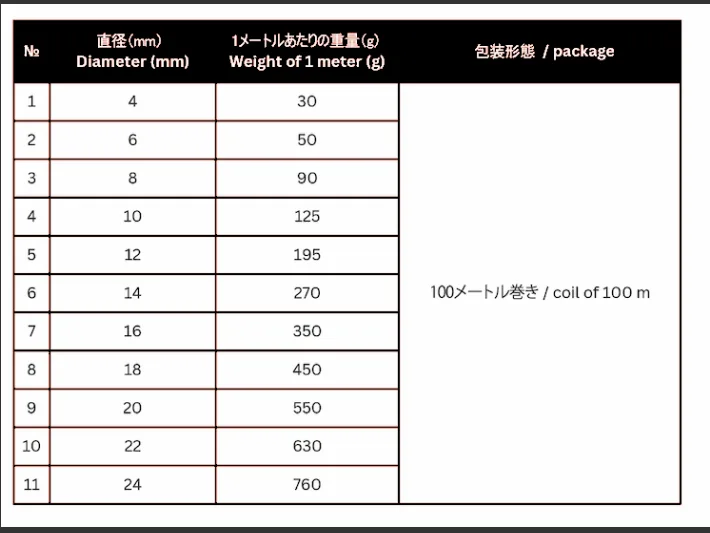
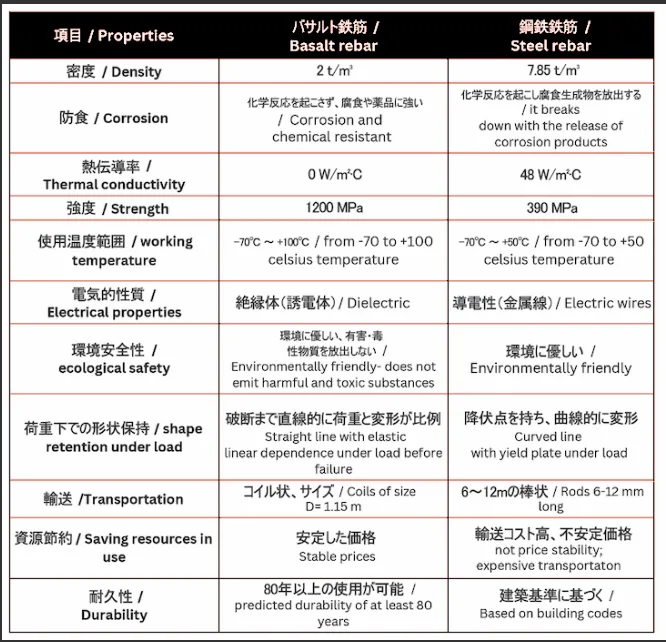
Basalt fiber composite rods with spiral profile. One quarter the weight of steel, corrosion-free, with a service life exceeding 100 years.
See More
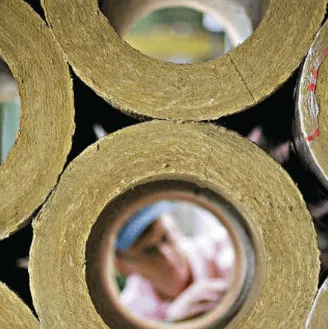
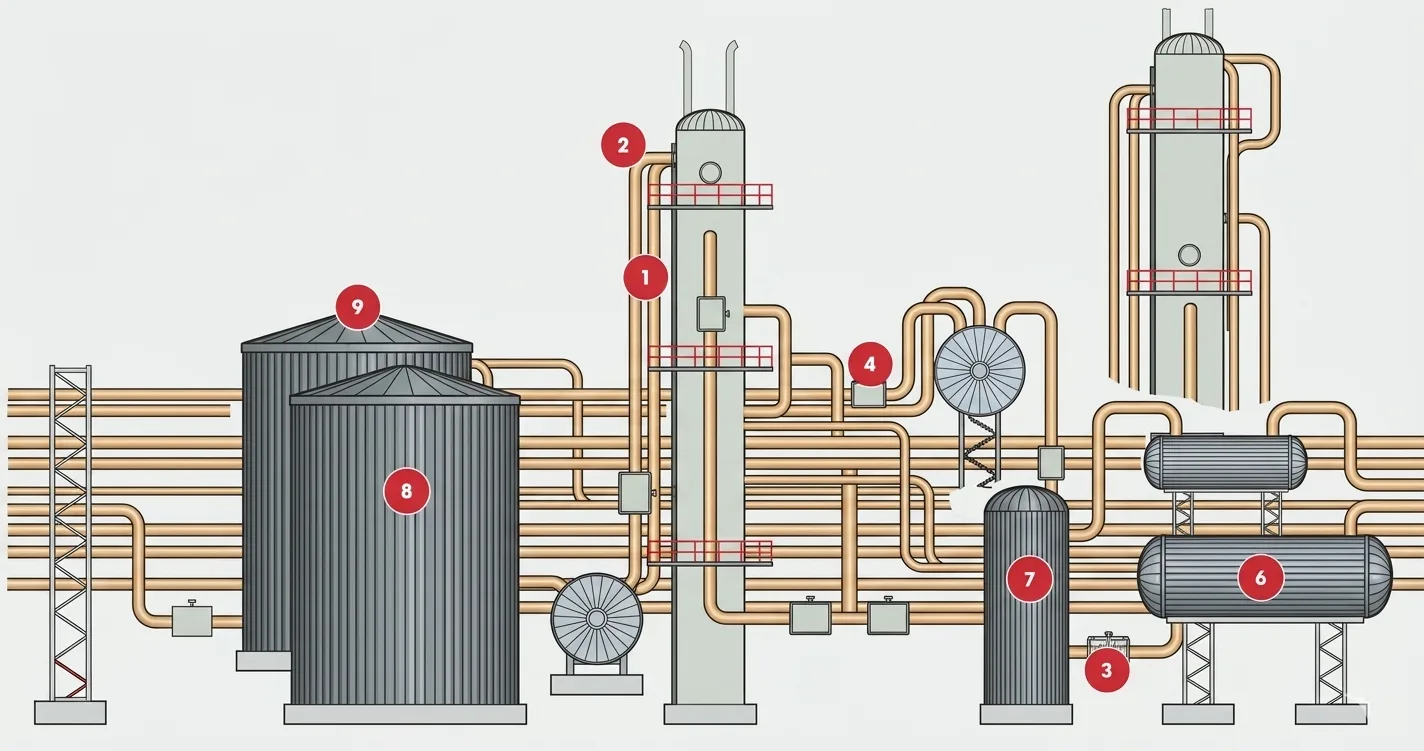
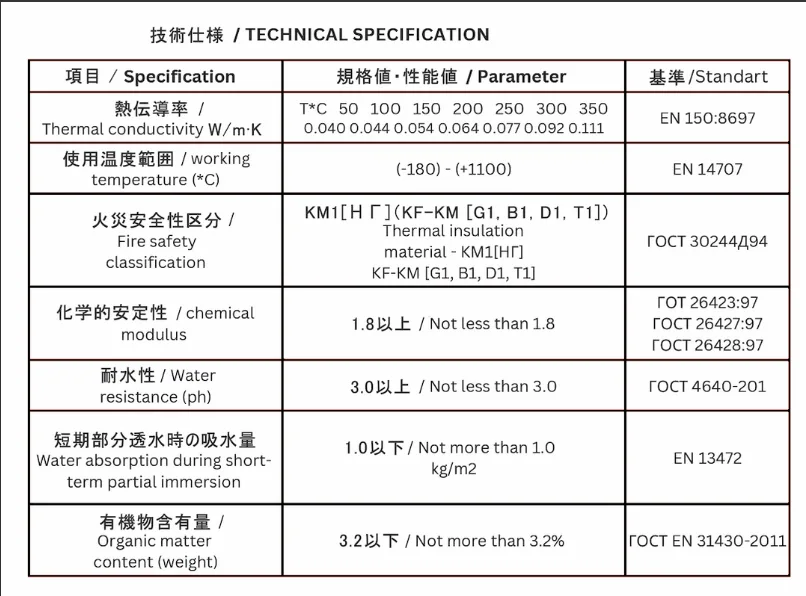
Industrial-grade heat insulation for pipelines, furnaces, and high-temp environments. Rated from −180°C to +1100°C in cylindrical and slab forms.
See More
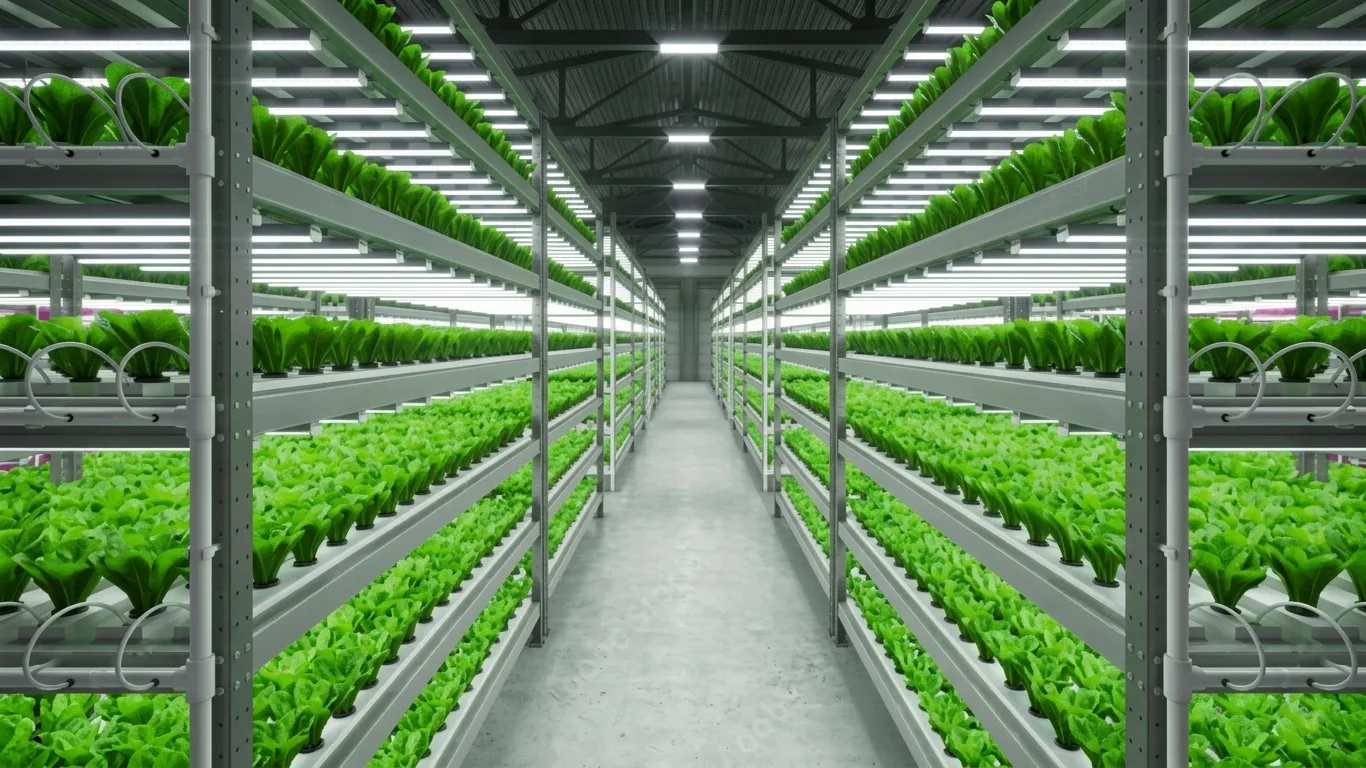
Soilless growing substrate from basalt fiber. Enables year-round stable crop production with reduced water consumption, independent of soil quality or climate.
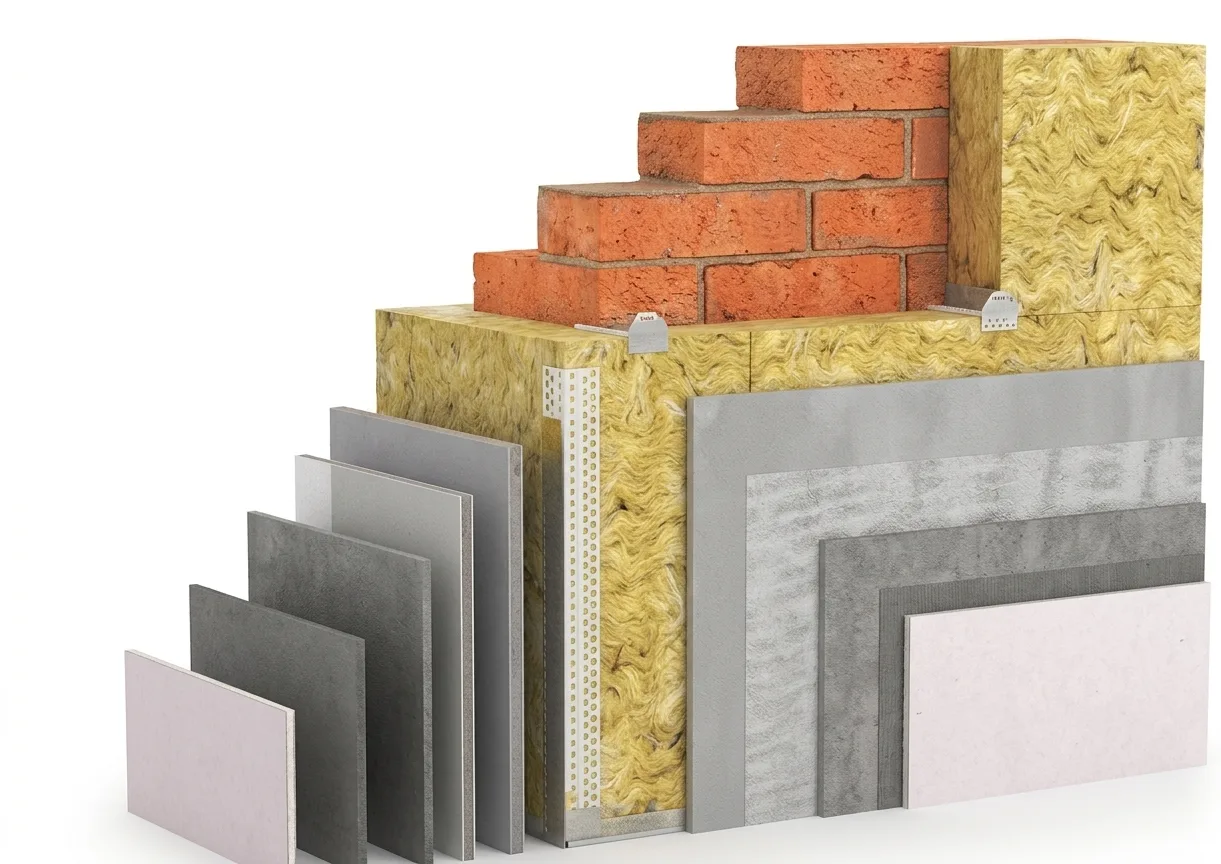
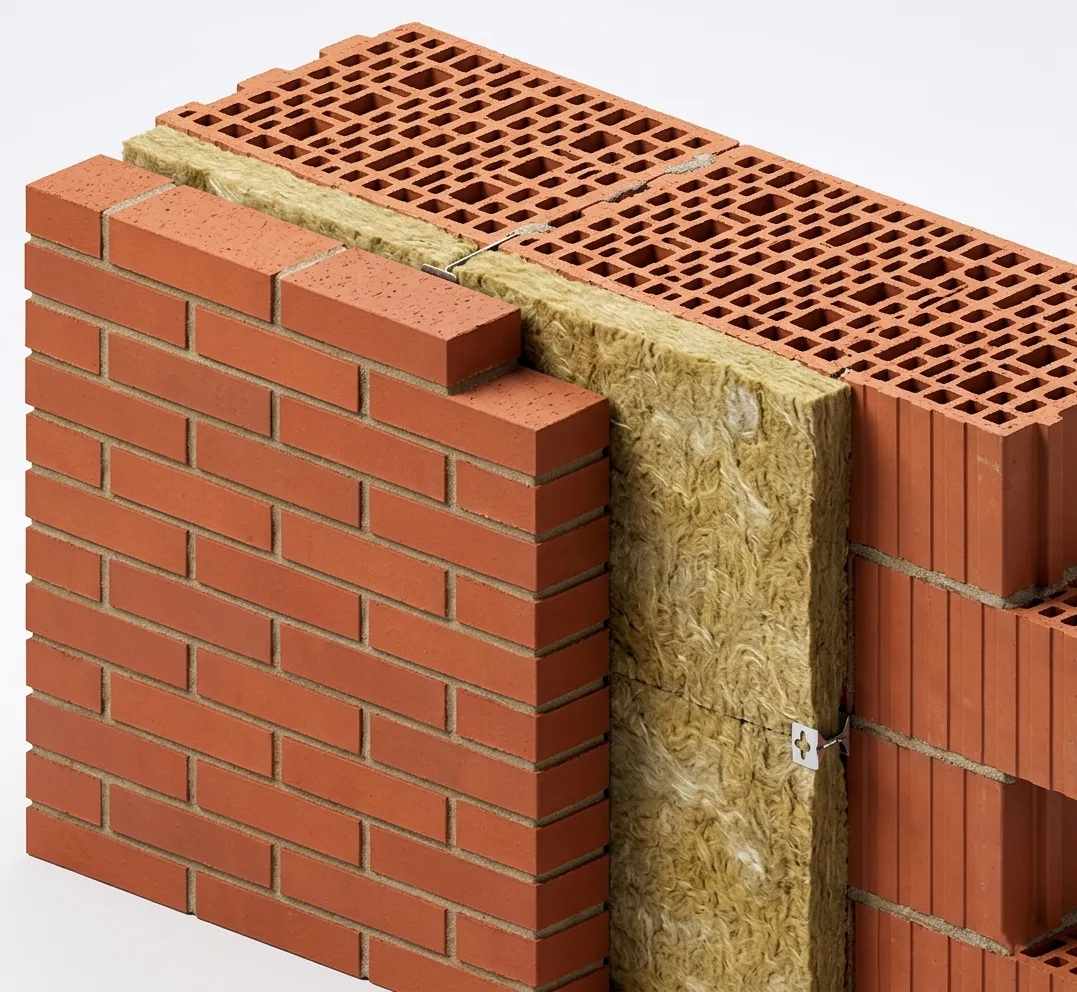
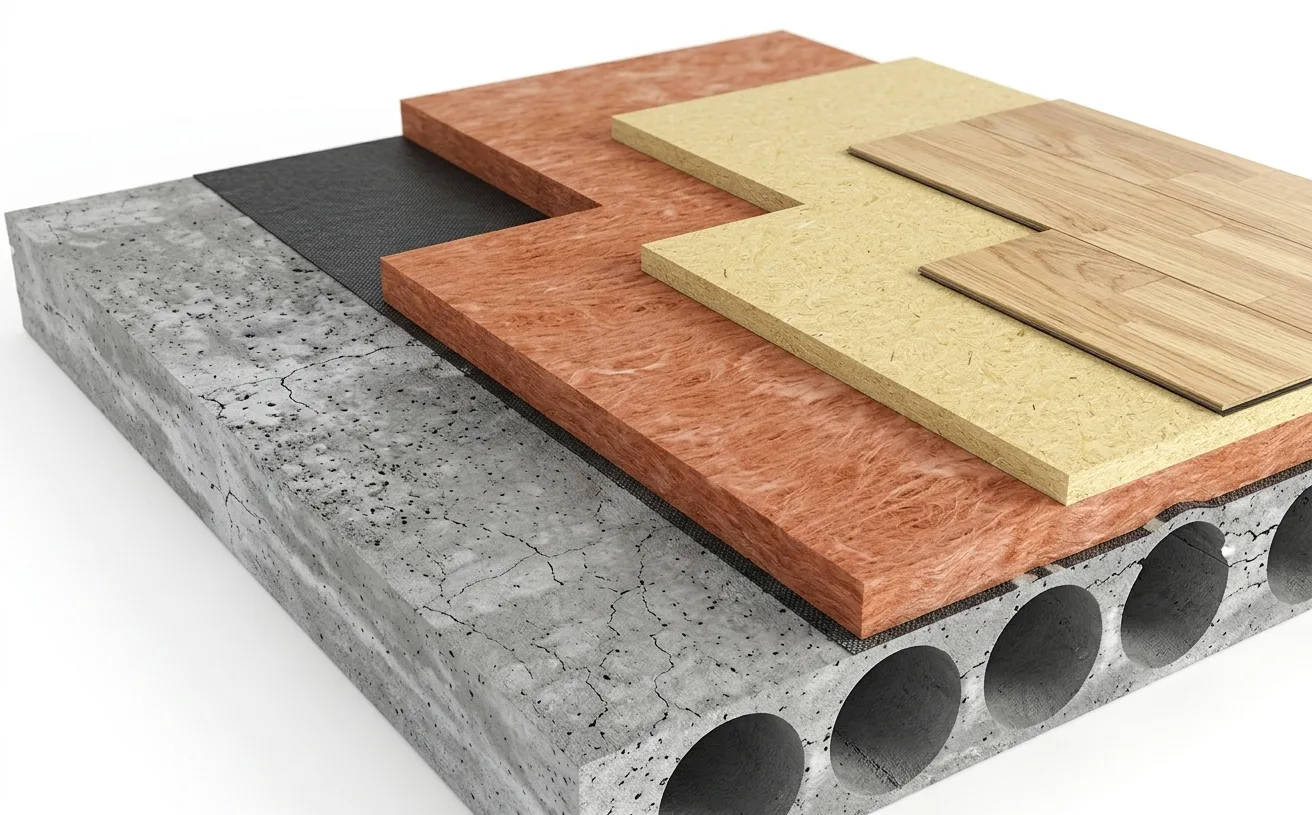
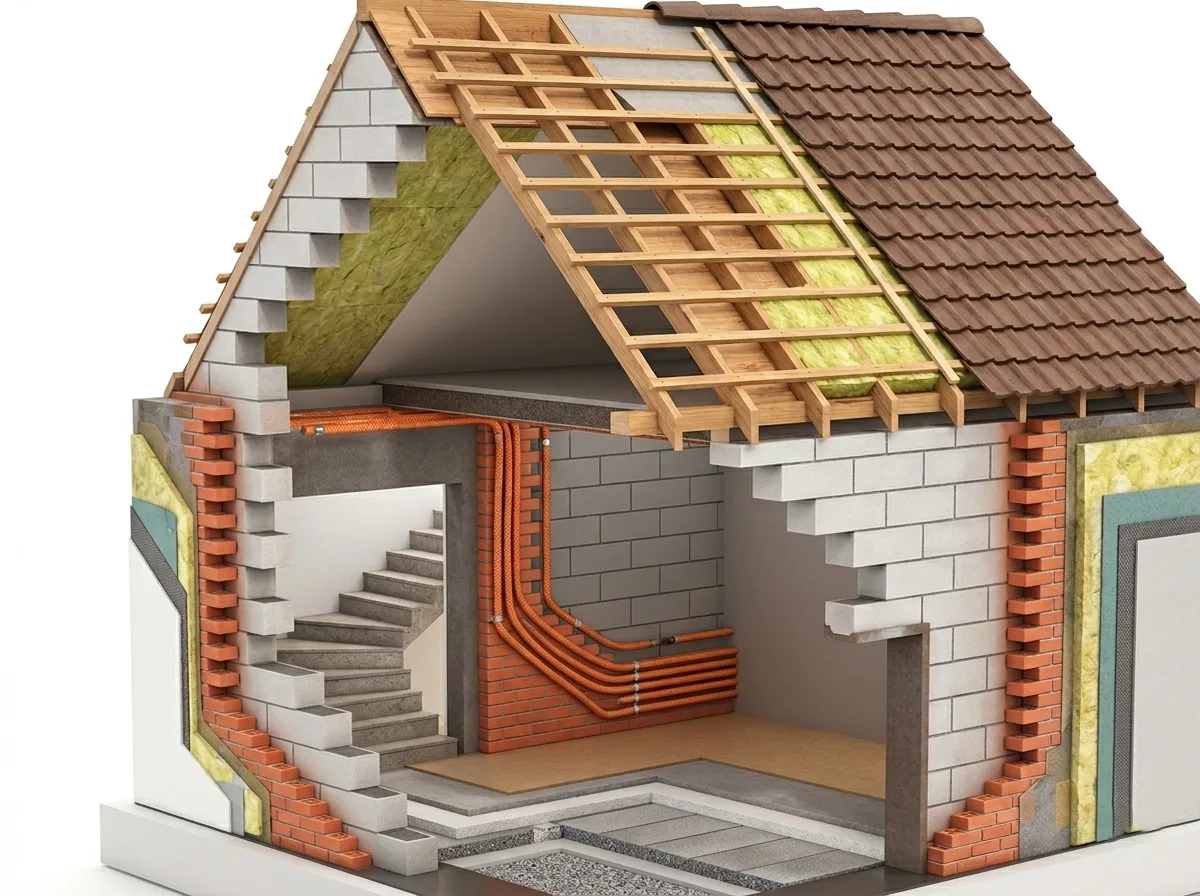
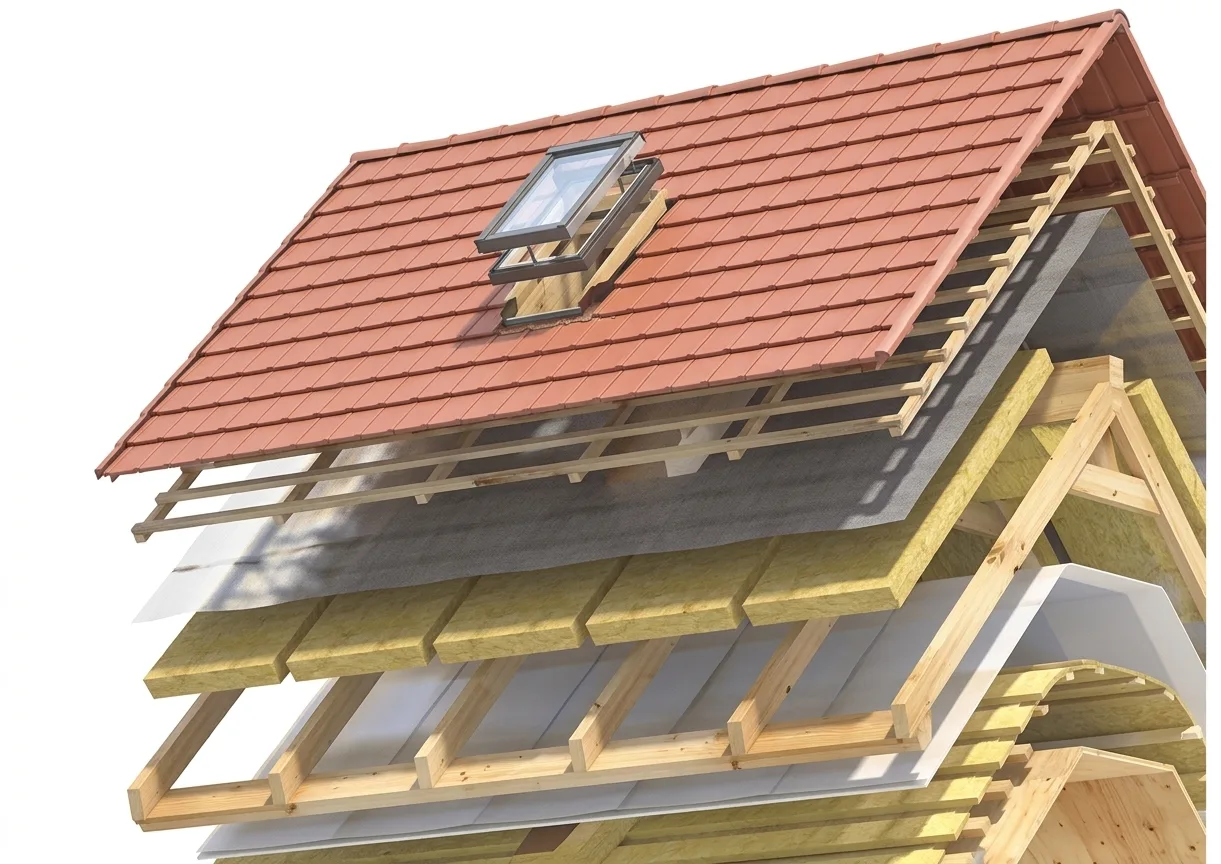
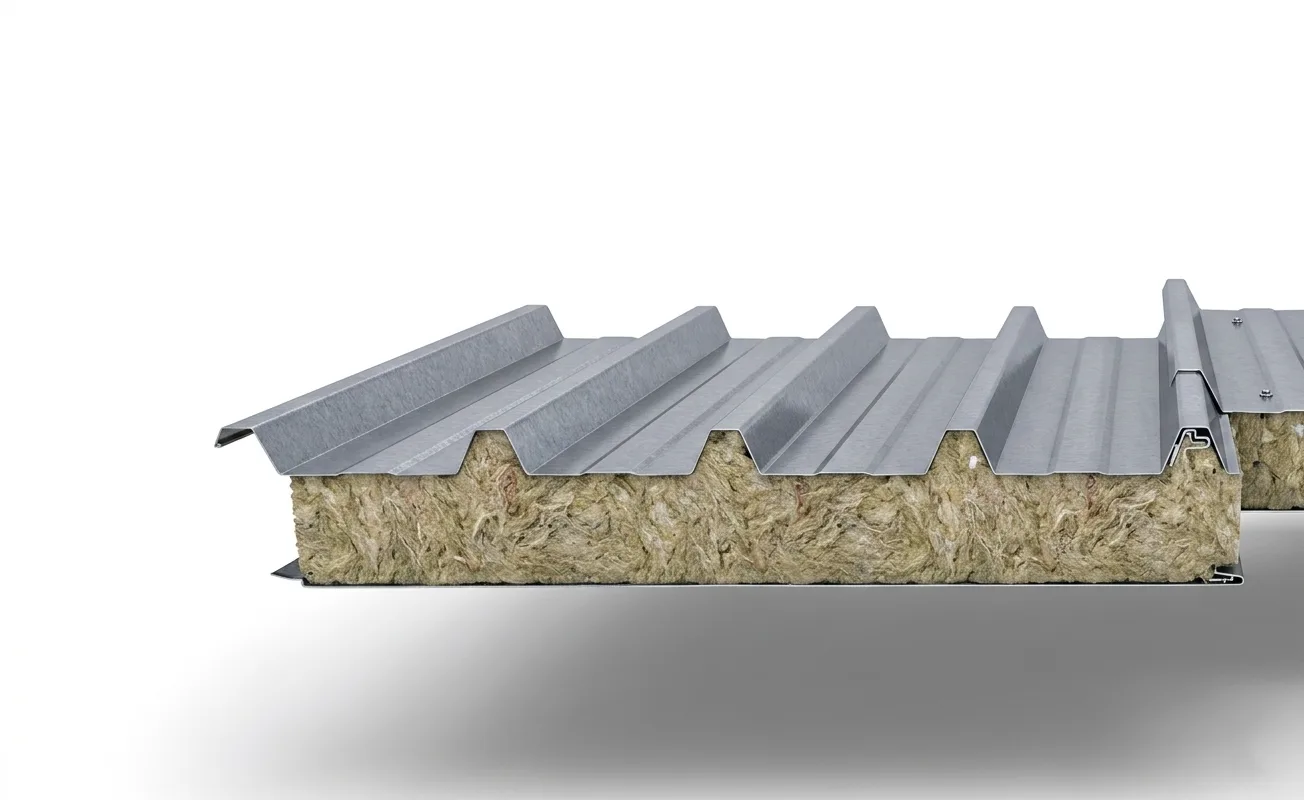
See MoreThis product is a high-density, rigid insulation board that can be used for the thermal insulation of building walls, roofs, and floors. It is made from fibers produced from molten basalt rock and combines heat resistance with long-term stability.


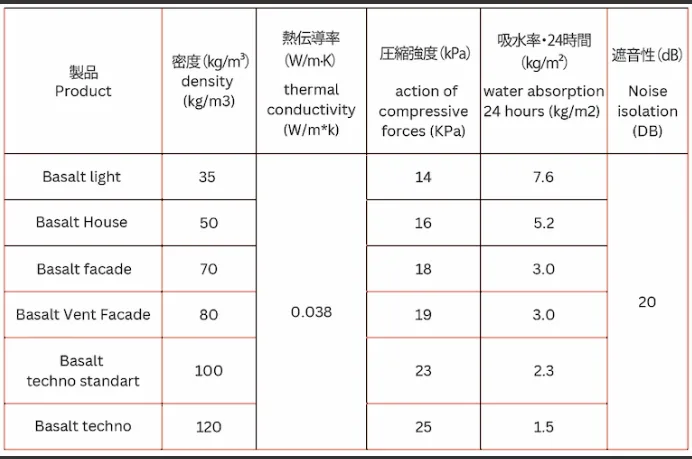
Basalt wool with a density of 35–130 kg/m³ — these are rather rigid slabs that can be used to insulate interfloor floors, load-bearing structures, upper layers in a load bearing roof device and other load bearing structures. It is made from molten basalt rock, which is converted into fiber with characteristics that no other insulation material has.
In particular, the characteristics of this thermal insulation material are:
Basalt wool is a natural material with many advantages, such as fire resistance, sound insulation, long life, and no adverse effects on health. It is suitable for use in construction, industry, transportation, horticulture, and water management.
Basalt stone wool thermal insulation material is a very important strategic product for national sustainable constructions that are friendly to the environment and society, reduce carbon dioxide and its footprint, are energy and heat efficient, have no quality risk, and provide fire safety.
In production, the material is cut on machines. At home, you can use a clerical knife. It is sharp enough, but only suitable for slabs of small thickness. Thicker mats are cut with a special metal hacksaw. It is necessary to cut carefully, without pulling the fibers. Measure with a ruler and mark with a pencil the lines along which the cut will go.
Insulation materials are environmentally friendly, but you need to be careful when working with them. When tiles are cut, microparticles are released into the air and can enter the lungs. You should wear a respirator or at least a gauze bandage. It is also recommended to protect your eyes with special glasses or a mask. In general, basalt is not dangerous — when it gets on the skin, it does not cause allergies, itching or other symptoms.
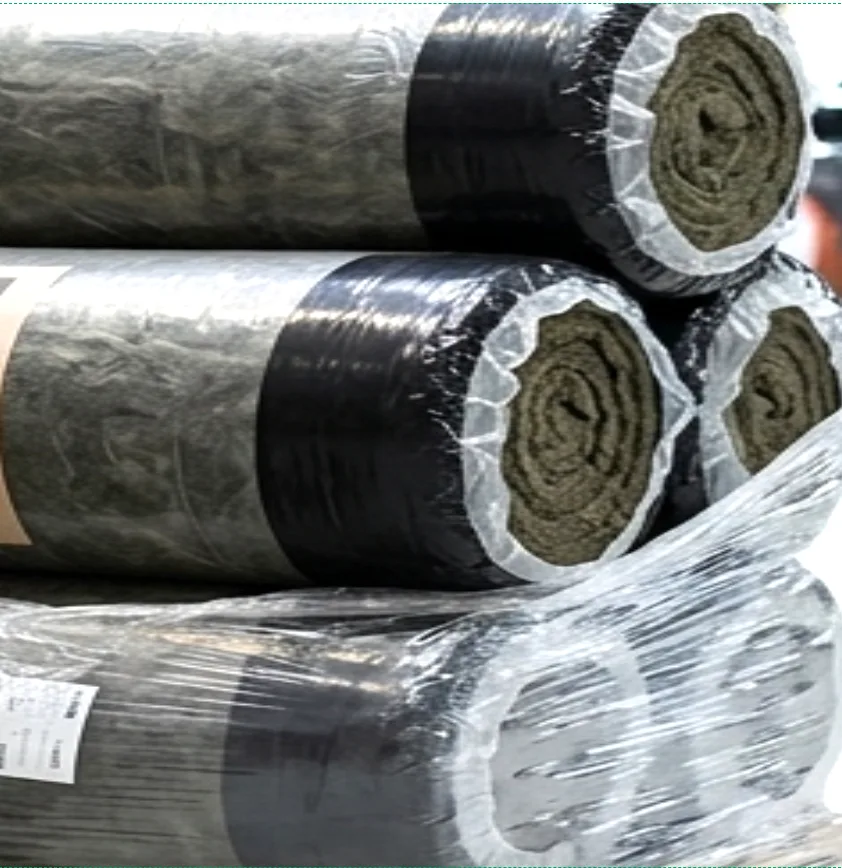
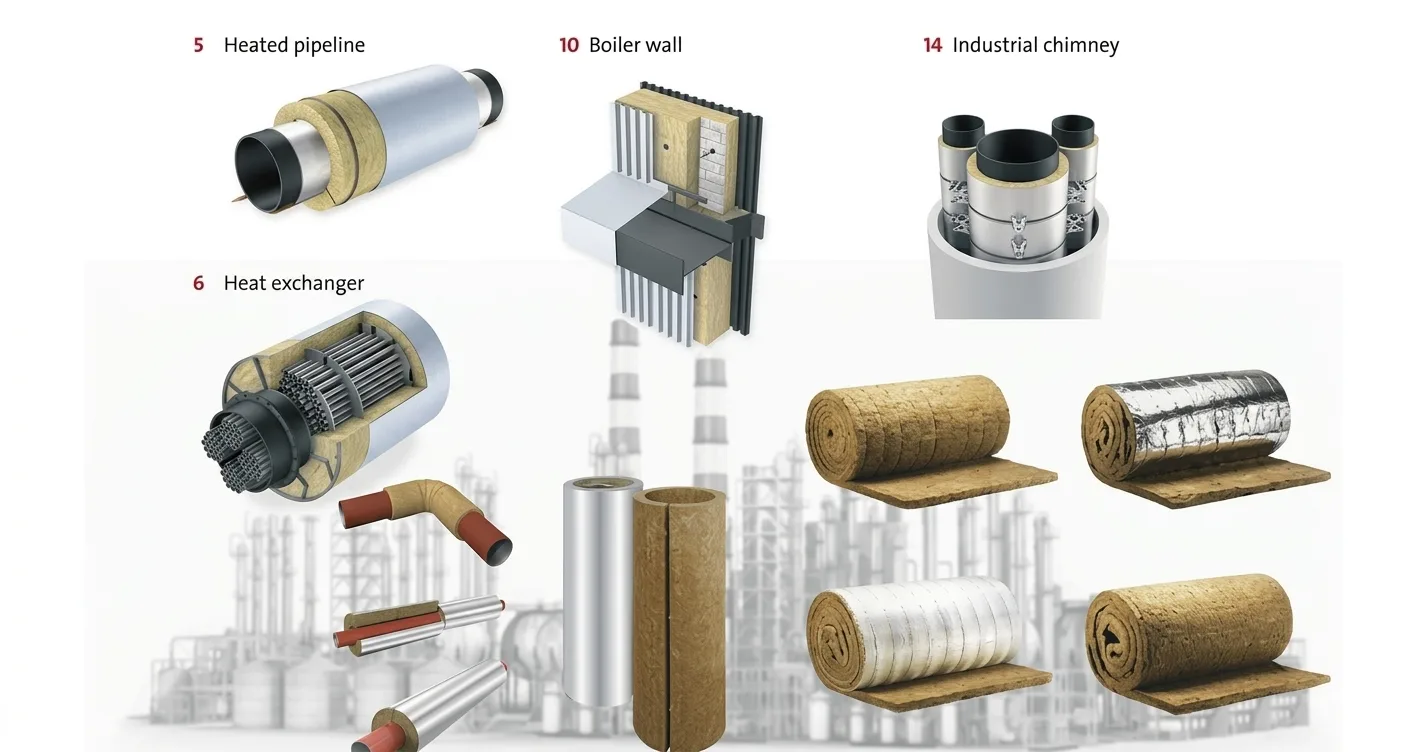
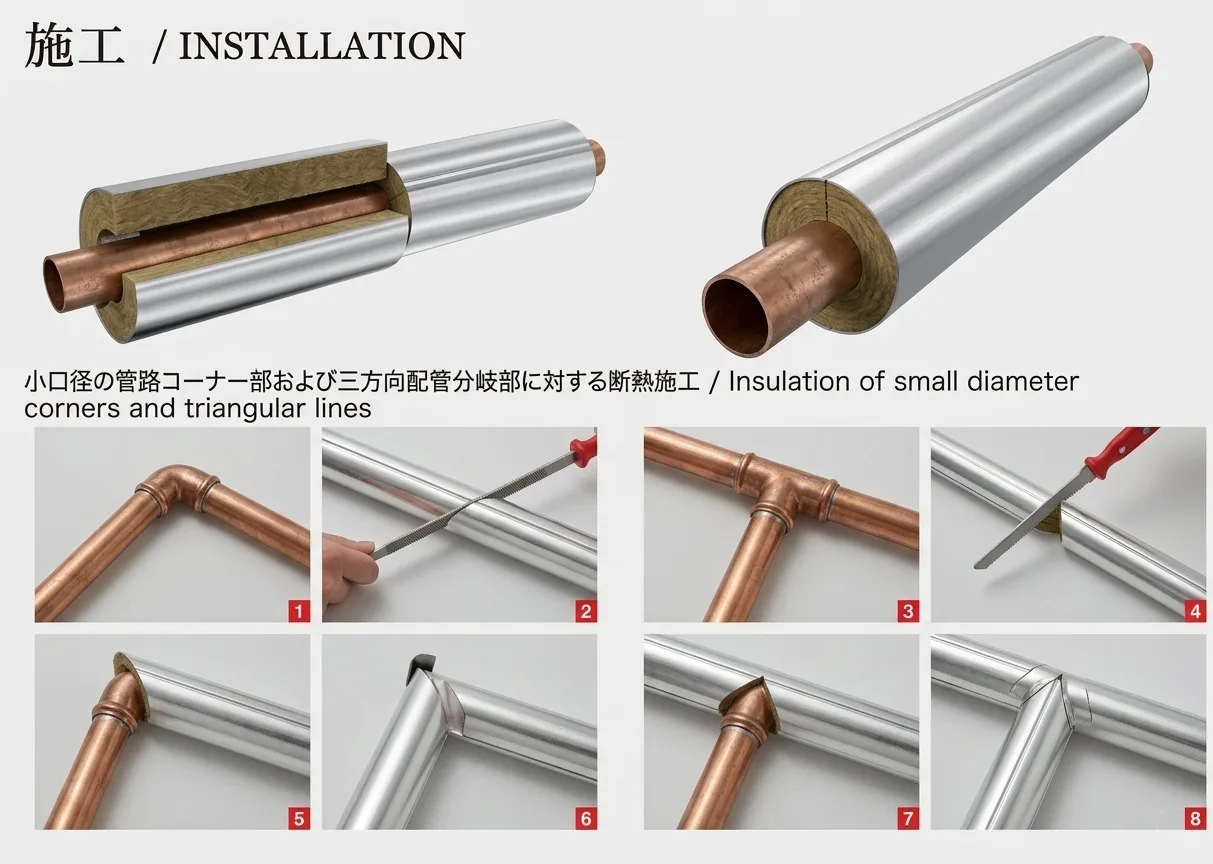
Thermobasalt insulation is a vapor-tight insulation material using a synthetic resin binder and is ideal for pipes, chimneys, ducts, and industrial cylindrical equipment. The outer surface is finished with aluminum foil metallized paper / foil mat, providing high moisture resistance and durability. Depending on the shape and size of the installation area, it is manufactured in two types: cylindrical type and rolled mat type.
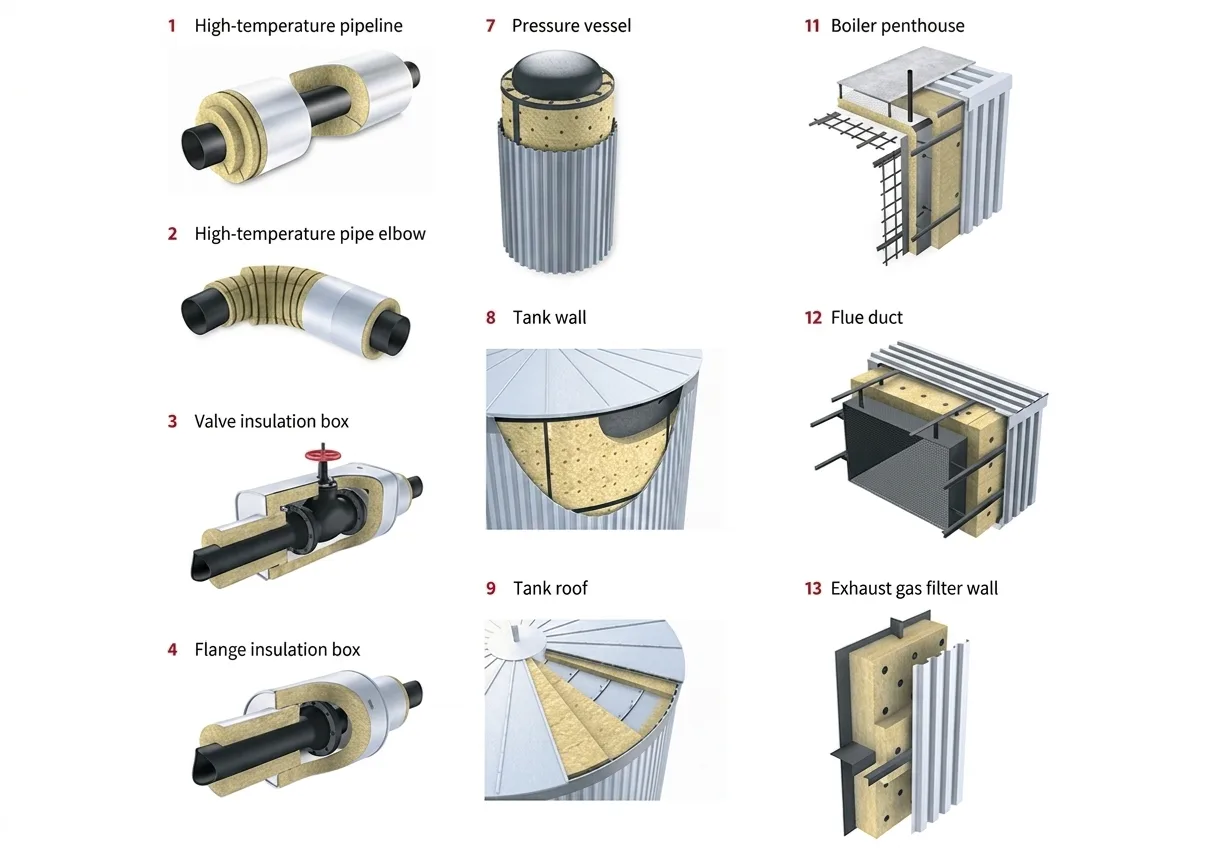
Thermobasalt (M60 kg/m³) rolled mats are used as insulation for ventilation ducts, low-temperature and heat-resistant pipelines, various tanks and storage facilities with porous surfaces, vegetable greenhouses, and cooling facilities. Thermobasalt (M80 and M100 kg/m³) rolled mats are used as insulation for high-temperature steam, hot-water, and gas pipelines, steam pressure vessels, high-temperature combustion furnaces, equipment, installations, and chimneys in oil refineries, power plants, and heat-supply plants.
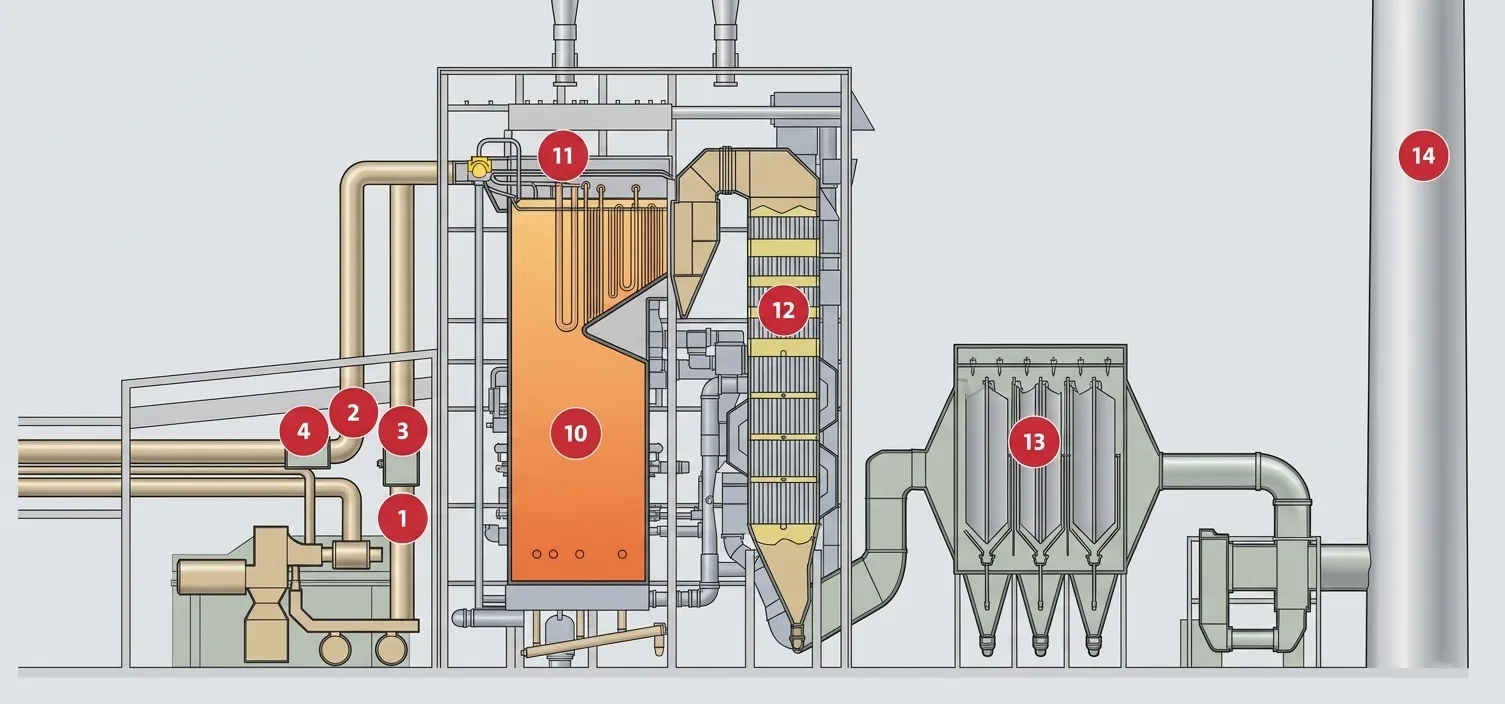
BASALTWOOL® industrially manufactured, mutually compatible insulation components provide the same insulation capacity both for straight pipe sections and pipe elbows, helping to maintain optimal performance throughout the pipeline.
The high service temperatures involved in power generation, together with the variety of components that require insulation demand a wide range of special insulation solutions. For example, boilers need flexible, multilayer solutions, whereas tanks require a range of varying density slabs with high compressive stress.
The THERMOBASALT cylindrical products are used for pipelines with a diameter of 20–300 mm. They are covered with silver paper and folmatecan with a thickness of 5 cm.
Cultivation using hydroponic technology based on rock wool does not depend on climate or weather conditions and enables stable harvests throughout all four seasons. The staff of Mongol Basalt JSC prepared the first a hydroponic cultivation technology guidebook in Mongolian and began selling it in 2021.
バサルトウールを利用した水耕栽培(ハイドロポニック)技術による栽培は、気候や天候に依存せず、四季を通じて安定した収穫を実現することができます。 モンゴルバサルト株式会社のスタッフは、モンゴル語による初の水耕栽培(ハイドロポニック)技術の手引き・マニュアル本を作成し、2021年に販売を開始しました。。
Cultivation by hydroponic technology using stone sponge will create the possibility of sustainable harvest in four seasons of the year, regardless of the weather. The staff of Mongolia Basalt JSC prepared the first Mongolian-language hydroponic technology instruction and handbook for soilless cultivation and released it for sale in 2021.
GROWOOL is a medium made exclusively for hydroponic cultivation (soilless cultivation) and is made from fibers derived from basalt. It promotes healthy and stable growth by stably supporting plant roots and uniformly supplying moisture, oxygen, and nutrients. Using GROWOOL enables stable crop production throughout the year, unaffected by climate or weather. It also significantly reduces water usage compared to conventional soil cultivation, creating a clean and easy-to-manage cultivation environment.